
photo TRAN HIEU ANH NGUYEN
text TÀN NHANG
Khải Tường Pagoda is closely associated with an important episode in the history of the Nguyễn dynasty.
According to historical records cited by the Ho Chi Minh City Museum of History, Nguyễn Phúc Đảm, later Emperor Minh Mạng, was born in 1791 in Gia Định, during the period when Nguyễn Ánh and his family were based in southern Vietnam.
After ascending the throne in 1820, Minh Mạng sought to identify the site of his birth and subsequently ordered the construction of a Buddhist temple there to commemorate it. The imperial court allocated funds for the project, while local authorities were instructed to organise its construction and provide monks and temple lands to sustain its religious activities.
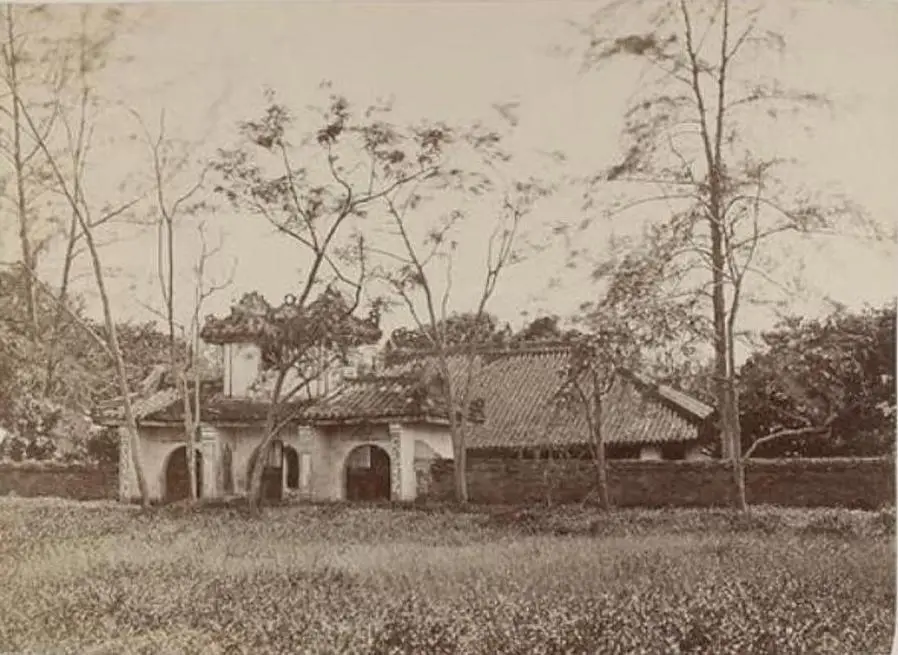
The temple was granted the name Quốc Ân Khải Tường Tự, or Khải Tường Pagoda under Imperial Patronage, reflecting its special position within the Buddhist landscape of the Nguyễn dynasty.
Khải Tường subsequently became one of the notable Buddhist institutions of Gia Định. Historical records indicate that the pagoda underwent restoration in 1836, during the seventeenth year of Minh Mạng’s reign. Beyond its religious function, the temple carried an important connection with the imperial court and became a prominent place of worship in southern Vietnam.
A Nearly Two-Metre Buddha Sent from Huế
When the pagoda was completed, Emperor Minh Mạng ordered a Buddha statue to be sent from the imperial capital of Huế to Gia Định for worship.
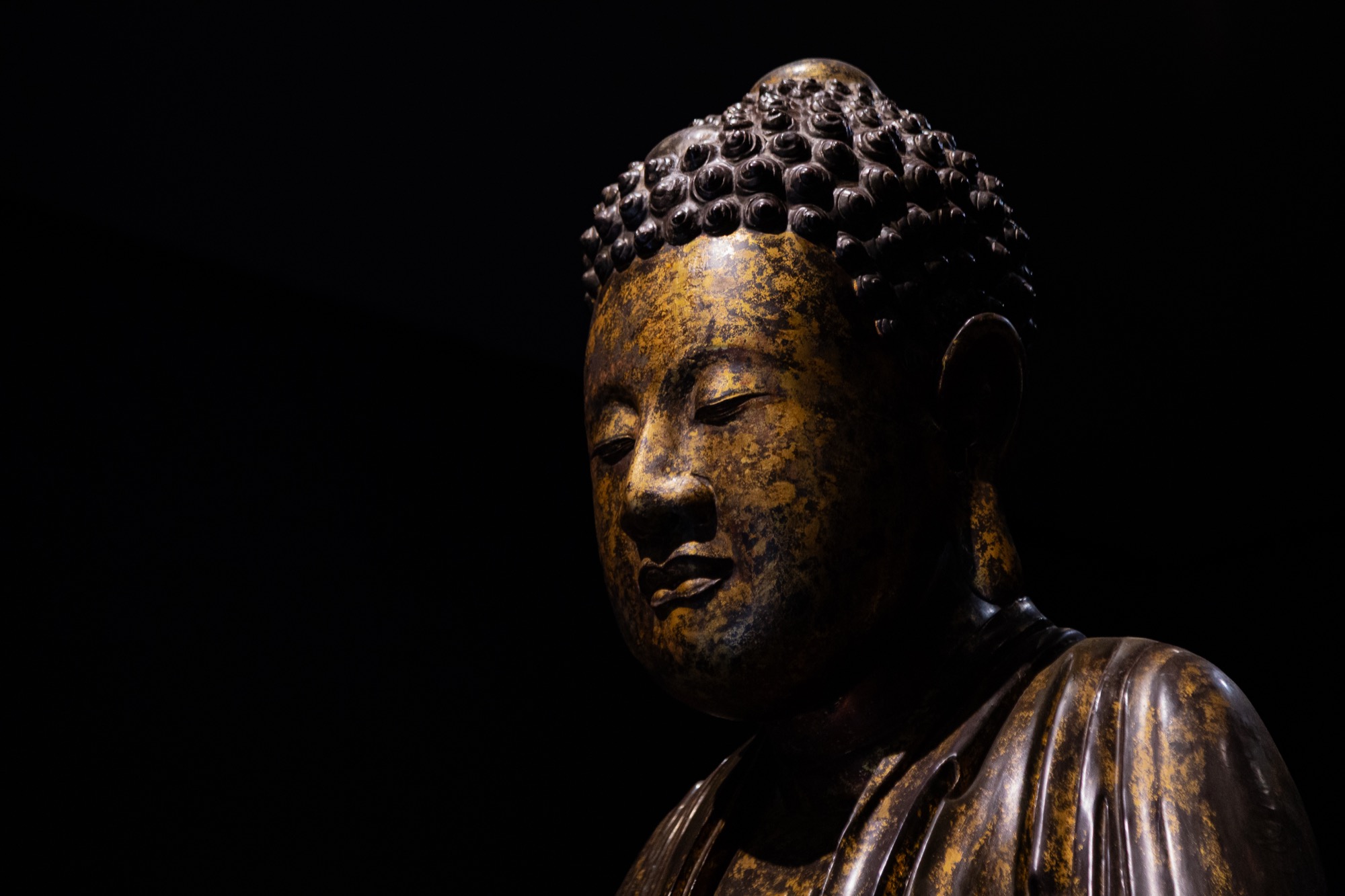
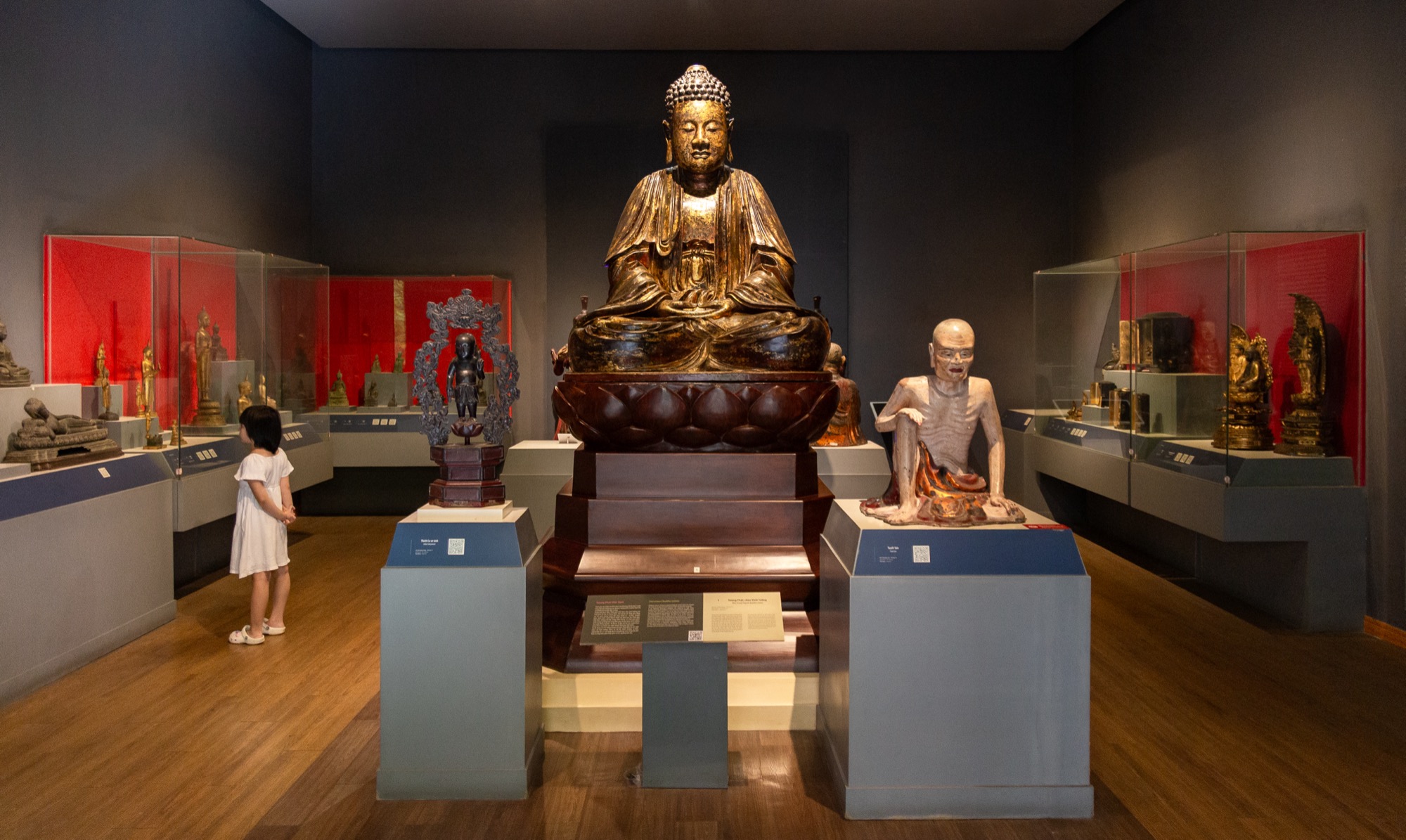
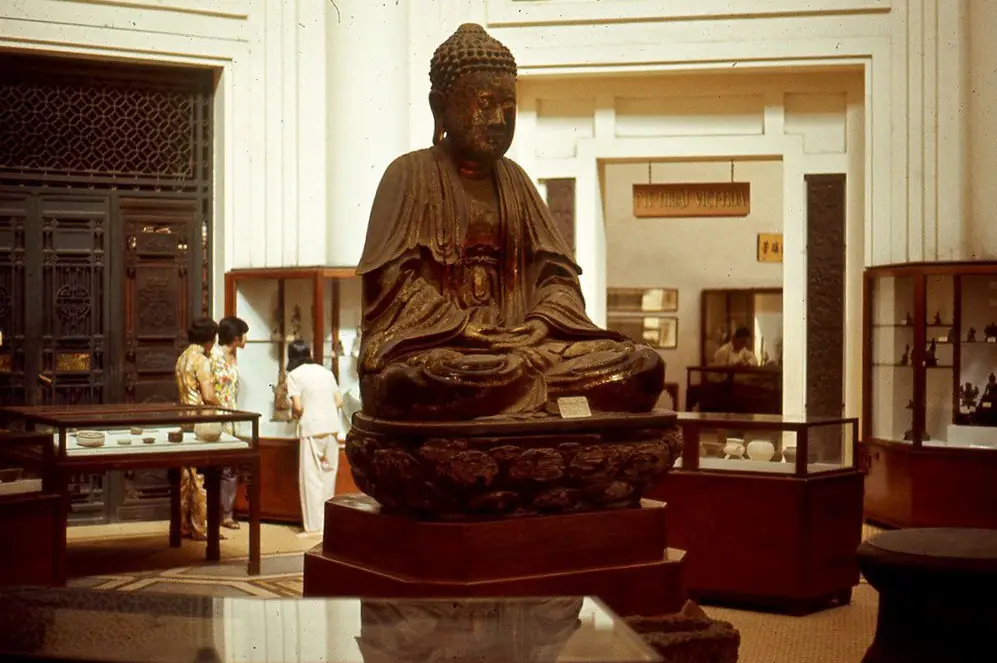
The Ho Chi Minh City Museum of History currently identifies the sculpture as an Amitābha Buddha. Standing approximately 1.96 metres high, the statue was carved from jackfruit wood, assembled from seven separate wooden sections, then lacquered and gilded. The Buddha is represented seated in the full lotus position, with both hands forming a meditation mudra. The head features the characteristic uṣṇīṣa, while the elongated earlobes extend towards the shoulders. The robe covers both shoulders, and a Buddhist swastika symbol is carved on the chest.
Together with its imposing scale and gilded surface, these features would have given the statue a commanding presence within the original worship space of Khải Tường Pagoda.
Some secondary sources have previously referred to the sculpture as an image of Śākyamuni Buddha. However, the official documentation currently provided by the Ho Chi Minh City Museum of History identifies it as Amitābha Buddha, making this the more appropriate designation when discussing the object in its present museum context.
From Imperial Pagoda to Years of Displacement
The fate of the statue changed dramatically following the French attack on Gia Định in 1859.
Khải Tường, together with several other major religious buildings in the area, was occupied and used by French forces. Removed from its original sacred setting, the Buddha statue began a prolonged period of displacement.
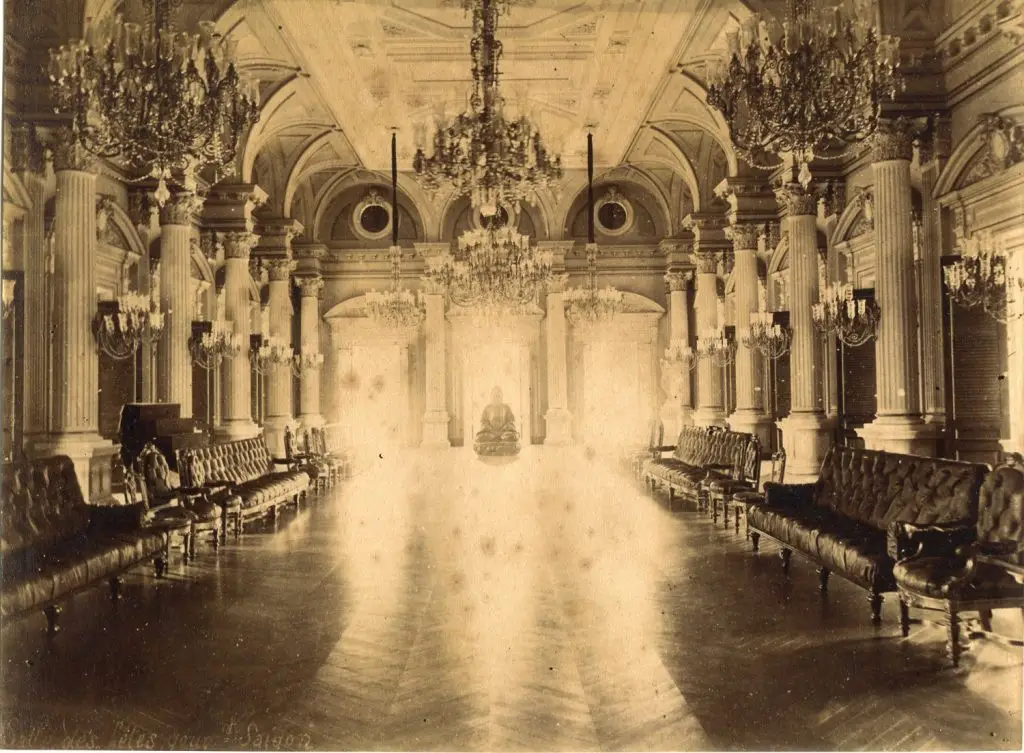
According to museum records, Khải Tường Pagoda was dismantled in 1867. The statue was subsequently moved through several locations before being transferred to the Governor-General’s Palace, later known as Norodom Palace. Archival images show that it was once displayed inside the building’s main hall.
This journey gave the statue an additional historical dimension. It had begun as an object of worship commissioned by a Nguyễn emperor, yet later became a witness to the profound transformation of Gia Định under French colonial rule.
The architecture of Khải Tường disappeared and its original religious setting was lost, but the statue survived.
An Artefact Intertwined with the History of the Museum
Another important chapter began in 1929, when the statue was transferred to the newly opened Musée Blanchard de la Brosse, where it was displayed in the museum’s central octagonal hall.
The museum itself is an important part of Saigon’s architectural and cultural history.
Its institutional predecessor was established in 1927 as the Musée de la Cochinchine. It was renamed Musée Blanchard de la Brosse in 1928 and formally opened in its purpose-built premises in early 1929. It is widely regarded as the first museum established in southern Vietnam.
Designed by architect Auguste Delaval, the museum building is distinguished by its octagonal central volume and an architectural language that combines Western planning principles with decorative references to Asian architecture.
In 1956, the institution became the National Museum of Vietnam in Saigon. On 23 August 1979, it officially took the name Ho Chi Minh City Museum of History. The building was recognised as a national architectural and artistic monument in 2012.
Today, the museum preserves more than 40,000 artefacts, with collections documenting Vietnamese history and culture alongside significant materials from other parts of Asia.
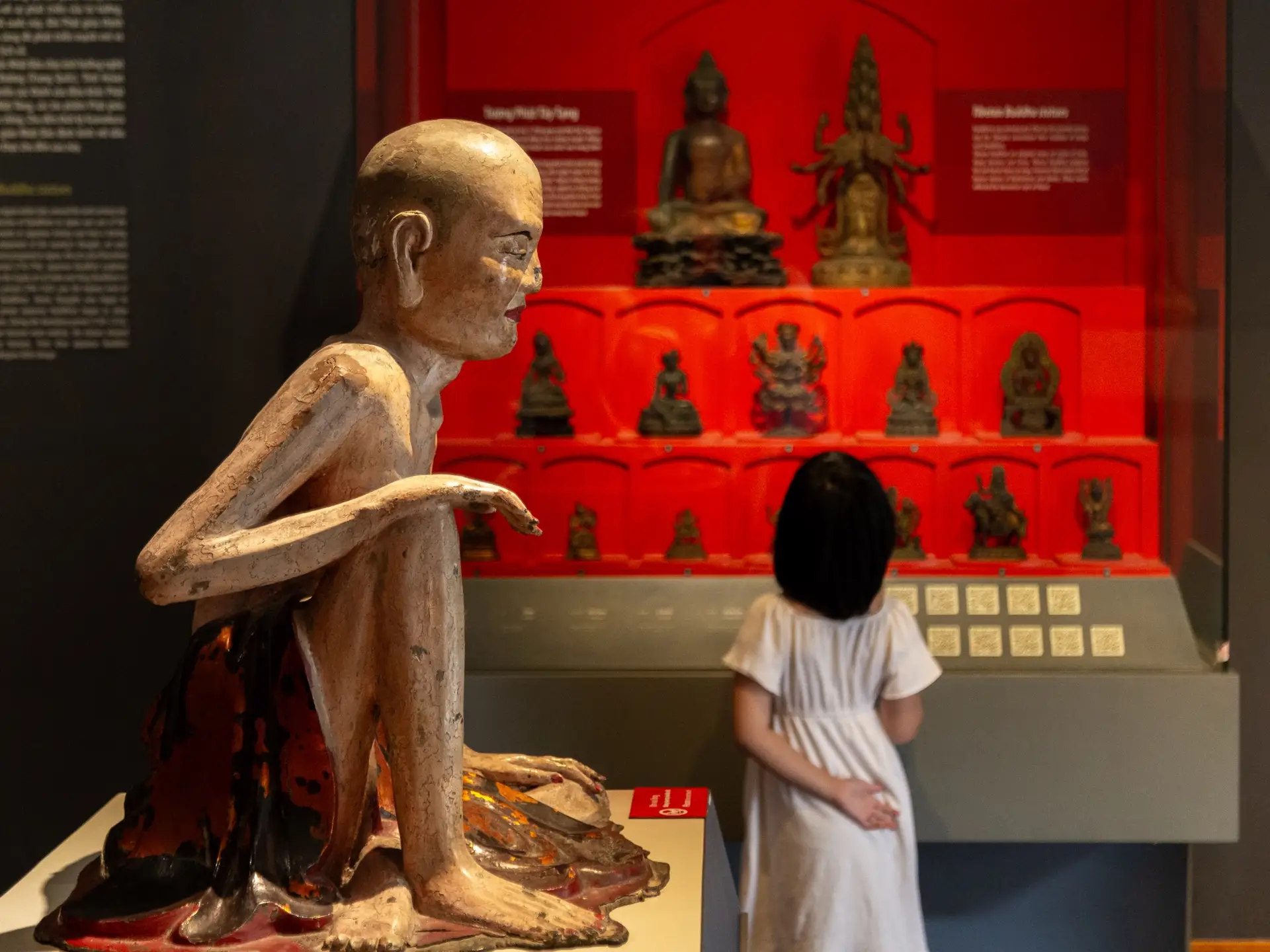
The Khải Tường Buddha has therefore remained within this museum environment since 1929. In 2008, it was included in a conservation programme involving a group of historic lacquered and gilded wooden Buddha statues dating from the seventeenth to nineteenth centuries, further demonstrating its importance within the museum’s Buddhist art collection.
A Surviving Trace of Gia Định
Today, the Amitābha Buddha of Khải Tường Pagoda forms part of the Buddhist art collection of the Ho Chi Minh City Museum of History.
To stand before the statue is therefore to encounter more than an early nineteenth-century work of Buddhist sculpture. Its aged gilded surface carries several overlapping histories: the Nguyễn dynasty, the religious life of old Gia Định, the French conquest of Saigon, the transformation of the colonial city and the development of one of southern Vietnam’s earliest museums.
Khải Tường Pagoda itself has disappeared from the urban landscape. Its architecture, religious activities and relationship with the surrounding neighbourhood can now be reconstructed only through historical documents, maps and surviving records.
The Buddha statue consequently occupies an unusual position. Once made for a specific sacred space, it survived the destruction of that space, war, relocation and changing systems of display.
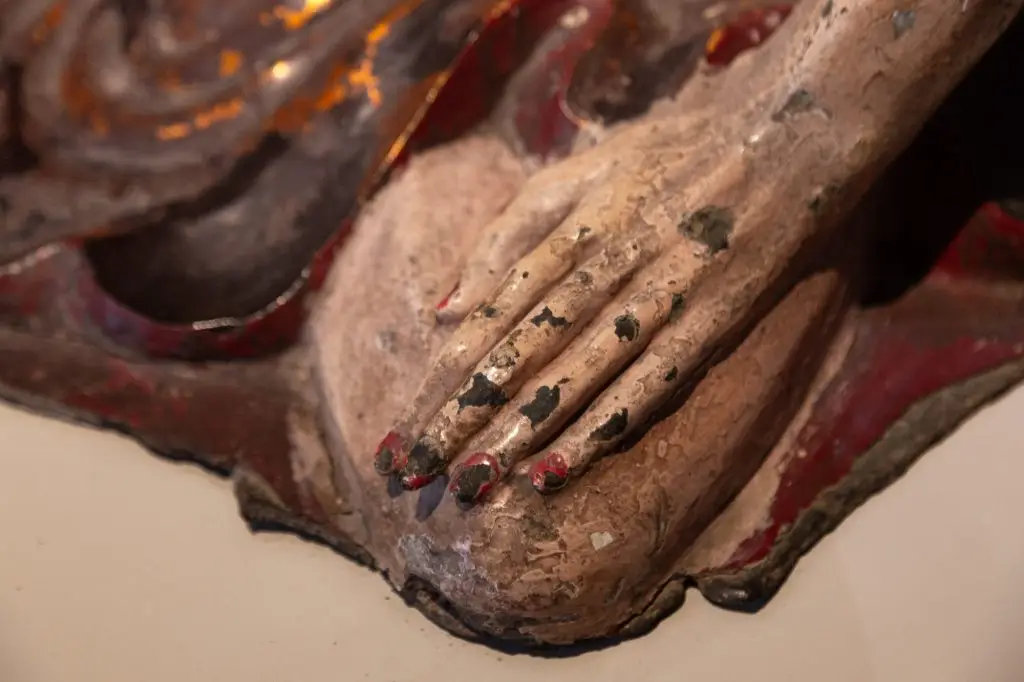
In a city that has repeatedly transformed itself, the statue gives the past a tangible presence. History here is no longer confined to written records. It can still be encountered in the scale of the sculpture, the worn gilding of its surface, the carved folds of its robe and the quiet expression of a Buddha that has endured through more than two centuries of change.
Sources
- Ho Chi Minh City Museum of History
- Đại Nam Nhất Thống Chí
- Gia Định Thành Thông Chí
- Giác Ngộ Newspaper
- Xưa & Nay Magazine
- Ho Chi Minh City Monuments Conservation Centre